From My Journal · 4 min read
Not Every Season Is Meant for Blooming
A reflection on trees, the passage of time, and the art of letting go.
We all begin as a tiny seed.
And little by little, almost without realizing it, we put down roots, stretch out our branches, and begin to grow. We learn to stand beneath the sun, to withstand the winds, and to weather storms that, at times, seem capable of tearing away every last leaf.
But losing our leaves does not mean we have stopped growing. Nor does it mean that, when a new spring arrives, we cannot bloom again, perhaps even taller and fuller than before.
Autumn has always been my favorite season.
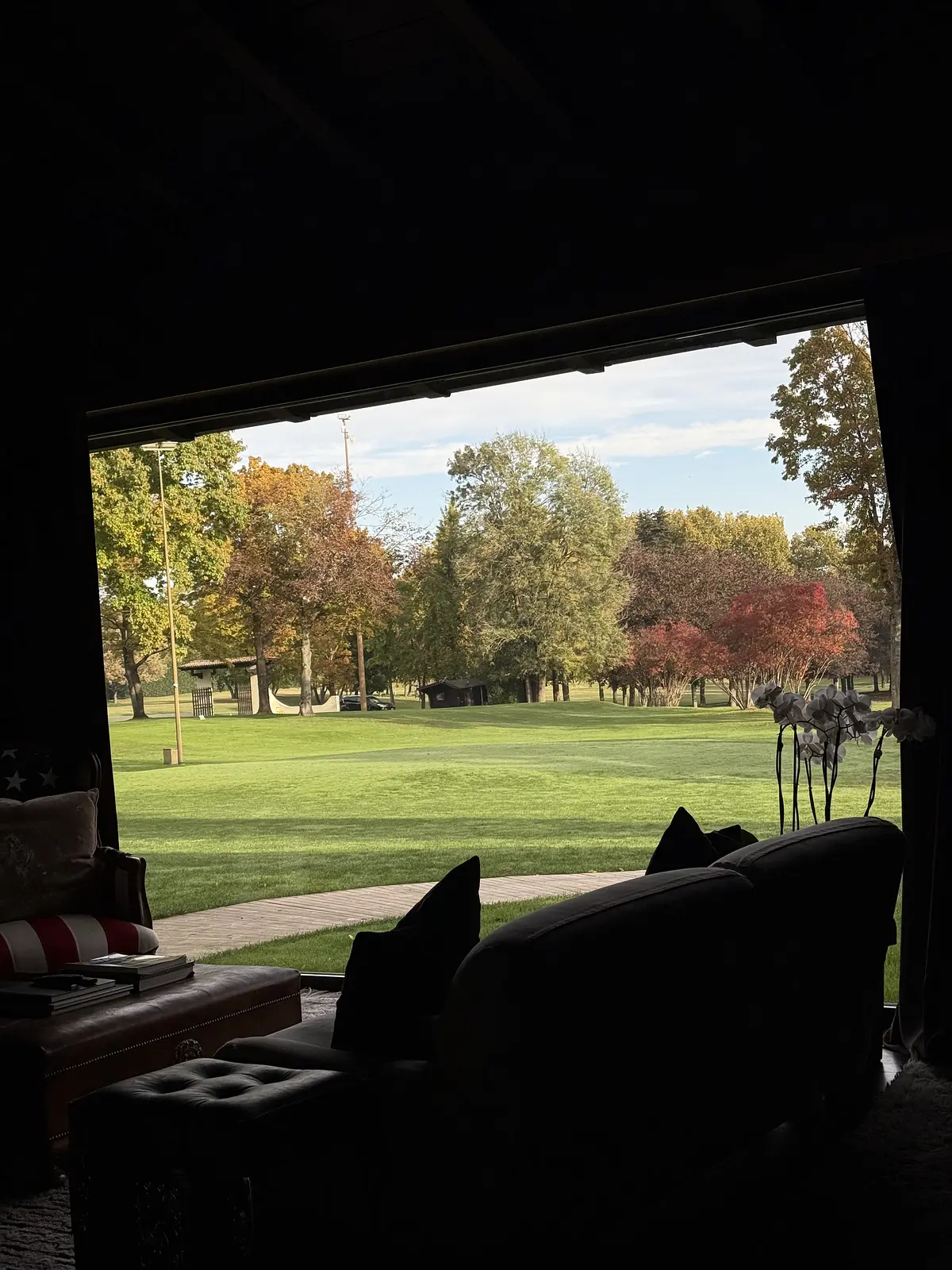
There is something profoundly beautiful about watching the trees transform as the colder days arrive. Their leaves, which for months have witnessed the sunshine, the warmth, the long afternoons, and the days full of life, slowly begin to change color.
As though each one held a small memory of everything it had lived through.
And then, one by one, they fall from their branches.
Perhaps we, too, carry our own leaves. Memories, habits, dreams, people, and moments that once filled our lives with color, but that, with time, we must learn to leave behind.
Not because they have lost their beauty, but because some seasons simply come to an end.
And as I watch the trees, I cannot help but think of how much we could learn from them.
How beautiful are the trees, growing without comparing themselves to the ones beside them. Never wondering whether their branches are tall enough, their leaves abundant enough, or their colors as beautiful as those of the others.
Each grows in its own way, at its own pace.
How beautiful are the trees, which, even after losing branches, being battered by the wind, or being changed by the passing years, continue to grow. Sometimes toward the sky, and sometimes quietly, beneath the earth, where no one can see.
How beautiful are the trees, whose branches intertwine with those of others, finding a way to support one another. Reminding us that even the strongest among us sometimes needs something to lean on.
How beautiful are the trees, which, even when winter leaves them without a single leaf, remain standing tall. Unashamed of their bare branches, never trying to conceal the season they are going through.
How beautiful are the trees, which seem to tell their stories through their colors. When autumn arrives, they dress themselves in gold, red, and copper, as though blushing while bidding farewell to the last rays of summer.
How beautiful are the trees, which never grow impatient. They do not try to bloom before their time or hurry the arrival of spring. They simply move through each season, trusting the rhythm of nature.
How beautiful are the trees, which offer their fruits so generously, without wondering who will gather them or what they might receive in return.
How beautiful are the trees, unafraid to take up space. They spread their roots beneath the earth and reach their branches toward the sky, seeking the light, the water, and everything they need to keep growing.
And how curious it is that we, who are also part of nature, find it so difficult to accept what trees seem to do with such ease.
We compare ourselves. We rush. We cling to what we know. Sometimes we feel the need to hide our most difficult seasons, as though going through a winter meant we had stopped blooming.
We struggle to understand that growing can also mean letting go of something that was once a part of us.
Perhaps we should observe them a little more closely.
Learn from their patience, their strength, and the natural way they accept that no season lasts forever.
Because there is a particular beauty in things that change. In the leaves that fall, the branches that remain, and the roots that continue to grow even when everything seems to be at rest.
And perhaps the art of letting go is not about forgetting who we once were, but about being grateful for each of our seasons and allowing ourselves to welcome the next.
After all, a tree does not become any less beautiful when it loses its leaves.
And neither do we.
Until next time,
xx, Sharon