Books · 5 min read
What I Learned About Love from The Japanese Lover
I closed the book thinking that perhaps there is more love in our lives than we recognize, because it does not always arrive in the form we have learned to expect.
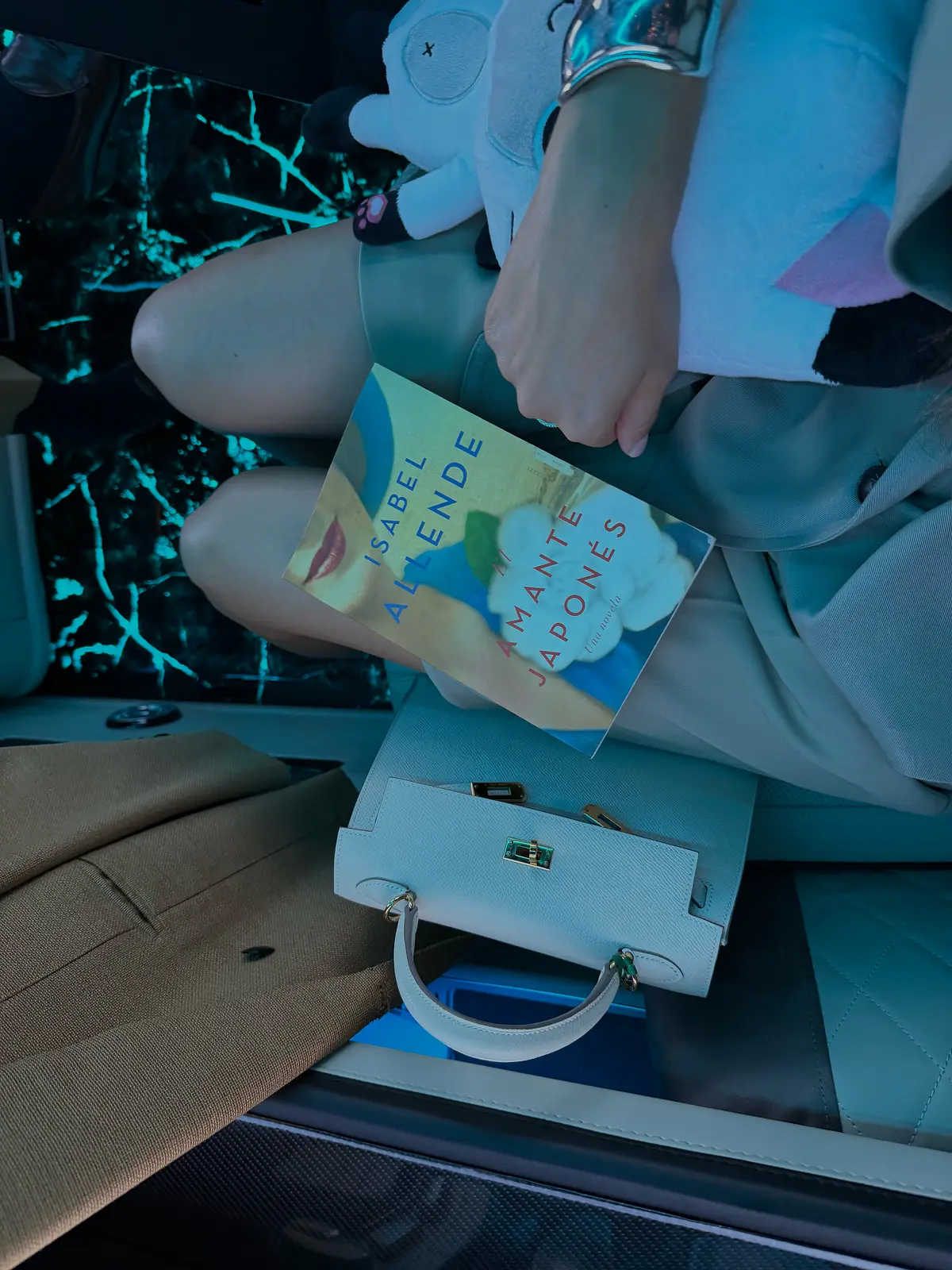
I smile when I think of The Japanese Lover. I was so excited to start reading Isabel Allende, and although I thought The House of the Spirits would be my starting point, I came across this book and felt I had to begin here. I thoroughly enjoyed the time I spent with it. But above all, it left me thinking about the different ways we can love someone.
About the love that awakens our passion, the love that makes us feel we have someone by our side, the love that allows us to trust again. And about the kind of love that, even as time passes, continues to hold a place within us.
One of the ideas that stayed with me most was that not all soulmates have to be passionate romantic loves.
Alma and Nathaniel’s relationship made me think about that a lot. Without giving too much of their story away, I found it beautiful to discover the care they had for each other, the way they supported and protected one another. It reminded me that deeply meaningful love can exist in a friendship, within a family, or with someone who comes into our lives to be there for us in a different way.
Sometimes we talk so much about finding the love of our life that I wonder how many people already in it make us feel loved in ways we take for granted. Someone who knows you well, who cares about you, who makes you feel safe. How much space do we give those loves when we think about our own story?
With Alma and Ichimei, I found myself thinking about something else: love that transcends time. We change so much throughout our lives that I find it moving to imagine a feeling that can stay with us through different versions of who we are. How does the way we love change over the years? What remains of what we felt when we ourselves are no longer the same?
Their bond made me think a little of the theory of the red thread: the idea that an invisible thread connects two people destined to meet. It can stretch or become tangled, but it can never break, regardless of time or distance. I like that image as a way of thinking about a connection with someone who continues to hold a place within you, even when your lives take different paths.
I also like that there is room for desire, for passion, and for what we discover about ourselves through intimacy, even when we think we already know ourselves.
And that brings me to another question: can we love someone so much that we wish them well, even if they are not with us?
I find that way of understanding love moving, although I can imagine how difficult it can be. Loving someone also means recognizing that they have a life of their own, with desires and decisions that may not align with ours. There is something very generous in being able to feel: I love you so much that I hope you are happy, even if your happiness does not take the shape I had imagined.
This is one of the reflections I take away from the book. I like when a novel leaves me reflecting on real life and, in this case, on love. On how I love, what I expect from love, and how much room I give it to exist in a way that is different from what I had imagined.
Irina, on the other hand, led me to think about trust. She was a character I initially judged. I did not have much faith in her, but as I learned her story, I came to understand her and grew fonder of her.
That experience also made me take a closer look at myself. How quickly we can form an opinion of someone without knowing what they have been through. Sometimes we see a distance we do not understand, a reaction that makes us uncomfortable, and we believe that tells us everything about a person.
I liked watching her gradually open herself up to love. It made me think about how much courage it can take to let someone get close when trusting no longer comes naturally. And about how important patience is: understanding that each person enters a relationship with a story they may not always know how to tell.
But for me, Alma was unquestionably the standout character. I enjoyed getting to know a woman who had lived so many years and feeling curious about everything she still held within her. Sometimes we talk about love as though its great discoveries belong to youth. This novel made me think about everything we are still capable of feeling later on, after we have lived, lost, learned, and changed so many times.
I am quite familiar with Isabel’s voice from her interviews and speeches, so I often felt I could hear her as I read. There were even lines that made me laugh as I imagined her saying them.
I also enjoyed the way she blends fiction with historical events. Through Ichimei and his family, I discovered a part of the history of Japanese people in the United States during World War II that I knew very little about. I like that ability to entertain you while, almost without realizing it, you are learning.
But what I take away most are these questions about love. About the people who stand by us, those who awaken something in us we had never known, and those who teach us to trust again. About our ability to keep loving as life changes.
I closed the book thinking that perhaps there is more love in our lives than we recognize, because it does not always arrive in the form we have learned to expect.
It was my first Isabel Allende novel, and it certainly will not be my last.
Con amor, xx
Sharon